|
|||||||||||||||||||||||||||||||||||||||||||||||||||||||||||||||||||||||||||||||||||||||||||||||||||||||||||||||||||||||||||||||||||||||||||||||||||||||||||||||||||||
|
Match Summary |
|||||||||||||||||||||||||||||||||||||||||||||||||||||||||||||||||||||||||||||||||||||||||||||||||||||||||||||||||||||||||||||||||||||||||||||||||||||||||||||||||||||
|
|||||||||||||||||||||||||||||||||||||||||||||||||||||||||||||||||||||||||||||||||||||||||||||||||||||||||||||||||||||||||||||||||||||||||||||||||||||||||||||||||||||
|
|
|||||||||||||||||||||||||||||||||||||||||||||||||||||||||||||||||||||||||||||||||||||||||||||||||||||||||||||||||||||||||||||||||||||||||||||||||||||||||||||||||||||
|
|||||||||||||||||||||||||||||||||||||||||||||||||||||||||||||||||||||||||||||||||||||||||||||||||||||||||||||||||||||||||||||||||||||||||||||||||||||||||||||||||||||
|
|
|||||||||||||||||||||||||||||||||||||||||||||||||||||||||||||||||||||||||||||||||||||||||||||||||||||||||||||||||||||||||||||||||||||||||||||||||||||||||||||||||||||
|
|
|||||||||||||||||||||||||||||||||||||||||||||||||||||||||||||||||||||||||||||||||||||||||||||||||||||||||||||||||||||||||||||||||||||||||||||||||||||||||||||||||||||
|
|||||||||||||||||||||||||||||||||||||||||||||||||||||||||||||||||||||||||||||||||||||||||||||||||||||||||||||||||||||||||||||||||||||||||||||||||||||||||||||||||||||
|
|
|||||||||||||||||||||||||||||||||||||||||||||||||||||||||||||||||||||||||||||||||||||||||||||||||||||||||||||||||||||||||||||||||||||||||||||||||||||||||||||||||||||
| Match Report by Mike Payne | |||||||||||||||||||||||||||||||||||||||||||||||||||||||||||||||||||||||||||||||||||||||||||||||||||||||||||||||||||||||||||||||||||||||||||||||||||||||||||||||||||||
|
Two players stood 'head and shoulders' above the rest. Banks, with three vital saves that were all world-class, and Bobby Charlton, the maestro in all that he did. In the first half, Banks made a brilliant reflex save from Vernon on 30 minutes after Rodrigues had put in a wicked cross. Somehow Banks managed to beat away Vernon's effort, even though Jones was also bearing down on the goalkeeper. THe timing of that save was spot-on as only three minutes later, England took the lead. Bobby Charlton was spraying passes all over the field in an effort to inspire his colleagues and one such pass found Geoff Hurst down the right. A superb blind-sided run by Martin Peters enabled him to shoot home Hurst's clever pass, leaving four Welsh defenders helpless. It was a fine goal and very typical of the Peters trademark. Despite the Welsh determination, England held the control of the midfield and, apart from the odd attack, also were more dangerous up-front. They should have scored again when Peters put the pass of the match through for Hurst to run on to just before the break. In a 'one against one' situation, one would normally back Hurst to score, but this time Sprake made a fine save from a rising shot. By now Bobby Moore and his men had settled into the economical rhythm so typical under Sir Alf Ramsey. Bobby Charlton was simply superb and only the solid defensive work of Mike England, outstanding at the heart of the Welsh defence, aided and abetted by Hennessey's fine support, prevented total domination by the visitors. The second half was a much-different story. Wales came out with a new fire and wrestled the midfield away from England's clutches. Alan Ball went through a nightmare patch and suddenly the Welsh, with Vernon, Rees and Jones prominent, rocked England back on their heels. For half an hour, the 'white shirts' looked decidedly wobbly. Banks made a fine 'last-ditch' save from Mahoney's burst as the pressure increased. It was obvious that the home side had a weakness at centre-forward and how they must have wished that one of their regular choices had been available. England held on at this stage with some desperate defending at times. But just as an equalizer looked likely they came back with the perfect answer, a double knockout blow. Again it followed straight-on from a magnificent save by Banks. The Stoke goalkeeper looked beaten when Rees's shot arrowed towards the top corner, but Banks leapt spectacularly to save and break the Welsh hearts. That incident came with only five minutes remaining and as the seconds ticked away, Ball found Peters who then rolled the ball invitingly into Bobby Charlton's path. Bobby needed no second invitation and Sprake could only have seen the left foot draw back before he realised the ball had rocketed past him imto the roof of the net.
It was a killer blow for the luckless Welsh and to 'rub salt into the
wound', seconds later, Hennessey brought down Ball and England had a
penalty. Ball himself took the spot-kick, duly scored, and that was the
end of that. |
|||||||||||||||||||||||||||||||||||||||||||||||||||||||||||||||||||||||||||||||||||||||||||||||||||||||||||||||||||||||||||||||||||||||||||||||||||||||||||||||||||||
| Match Report by Norman Giller | |||||||||||||||||||||||||||||||||||||||||||||||||||||||||||||||||||||||||||||||||||||||||||||||||||||||||||||||||||||||||||||||||||||||||||||||||||||||||||||||||||||
|
The match turned on a magnificent save by Gordon Banks. Wales were having
the better of the early play in a rainstorm when his Stoke team-mate Roy
Vernon fired a shot from point-blank range. Somehow Banks managed to fist
the ball off-target, and from then on England took command. Martin Peters
and Bobby Charlton scored a goal each and Alan Ball netted from the
penalty-spot. Mike England stood like a man-mountain in the middle of the
Welsh defence, and gave added ammunition to his Tottenham supporters who
claimed with some justification that he was the best centre-half in
Britain. |
|||||||||||||||||||||||||||||||||||||||||||||||||||||||||||||||||||||||||||||||||||||||||||||||||||||||||||||||||||||||||||||||||||||||||||||||||||||||||||||||||||||
In
Other News....
|
|||||||||||||||||||||||||||||||||||||||||||||||||||||||||||||||||||||||||||||||||||||||||||||||||||||||||||||||||||||||||||||||||||||||||||||||||||||||||||||||||||||
|
|
|||||||||||||||||||||||||||||||||||||||||||||||||||||||||||||||||||||||||||||||||||||||||||||||||||||||||||||||||||||||||||||||||||||||||||||||||||||||||||||||||||||
|
|||||||||||||||||||||||||||||||||||||||||||||||||||||||||||||||||||||||||||||||||||||||||||||||||||||||||||||||||||||||||||||||||||||||||||||||||||||||||||||||||||||
 England
Football Online
England
Football Online
 416
416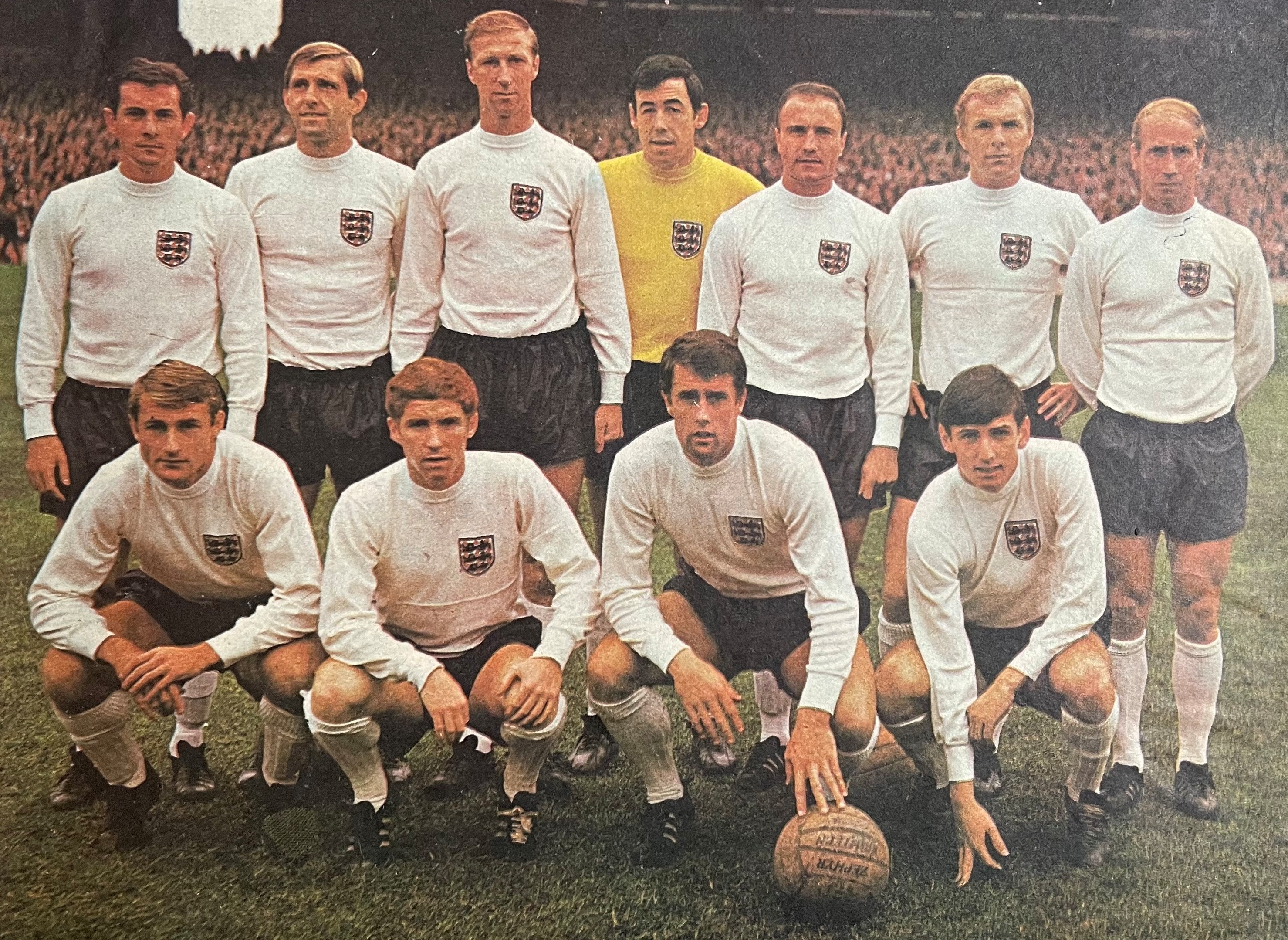


 Alan Ball
(penalty 90)
Alan Ball
(penalty 90)


 Wales
Team
Wales
Teamflg.jpg) England
Team
England
Team